templates · Elly
Free child belongings tracker
Keep track of books, clothing, bags, and comfort items moving between school, home, and caregivers with a simple printable belongings list.
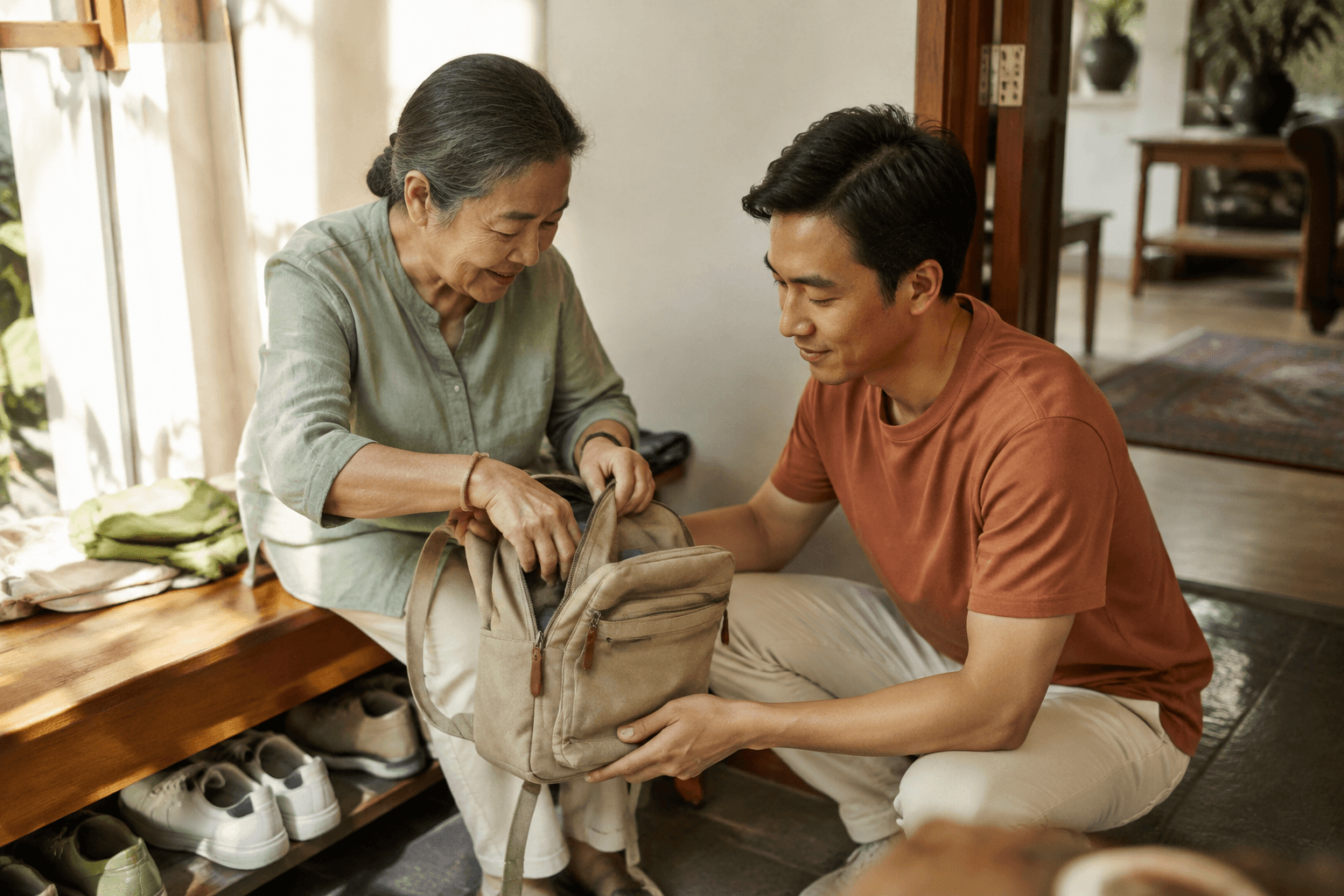
Use a belongings tracker for items that regularly travel between places. Record where an item was last seen and when it needs to come back, without turning every toy into inventory.
Choose the items worth tracking
Start with belongings whose absence changes the next day: a library book, a school bag, a favorite comfort item, or a piece of activity equipment. A list of every possession quickly becomes difficult to keep current. Choose a few recurring items together and add something else only when there is a practical reason to remember its location.
Record the last known place
Write “in the blue bag at Grandma’s” instead of simply “away.” Include the date of the update so an older observation is not mistaken for the current location. If nobody knows where an item is, say that clearly and assign one person to check. The point is to coordinate the search, not to decide who is to blame.
Pair the return with a real journey
A return plan is more useful when it matches a visit or pickup already happening. For example, the person collecting on Thursday can bring the borrowed book home. Write the arrangement after that person agrees. Cross out completed returns and review the list before the next outing so a finished task does not continue to generate unnecessary reminders.
child belongings tracker
Print this page or save it as a PDF, then fill it in privately with your care team.
Common questions
Should I track expensive items here?
Keep sensitive details and valuables in an appropriately private record. This sheet is for everyday coordination.
What if the location is uncertain?
Write “location to confirm” and name one person to check rather than recording a guess as fact.